The effect of alcohol on the skin - 8 side effects of alcohol on the skin
The effect of alcohol on the skin is wide-ranging, influencing hydration, circulation, and cellular repair both immediately and over time. From short-term changes like redness, puffiness, and breakouts to long-term consequences such as wrinkles, broken capillaries, and dullness, alcohol disrupts the skin’s natural balance and accelerates visible aging. This article explores how alcohol impacts the skin before, during, and after drinking, the signs to watch for, and how quitting or reducing alcohol can help the skin recover, providing practical insights for healthier, more resilient skin.
Short-term Effects of alcohol on the skin
Short-term Effects of Alcohol on the Skin include immediate physiological changes driven by alcohol’s impact on hydration, blood vessels, inflammation, and metabolic processes. Alcohol acts as a diuretic, increasing fluid loss through urination, which quickly leads to skin dehydration. As a result, the skin may appear dull, tight, flaky, and less elastic within hours of consumption. Alcohol also causes vasodilation (widening of blood vessels), which increases blood flow to the skin’s surface and can lead to facial redness, flushing, warmth, and visible broken capillaries, especially in individuals with sensitive skin or conditions like rosacea. Additionally, alcohol disrupts sleep quality and increases cortisol levels, both of which impair the skin’s natural repair mechanisms overnight. If you consume alcoholic beverages, it is recommended that you protect your skin from damage with the help of our moisturizers.
Beyond hydration and circulation, alcohol temporarily weakens the skin’s protective barrier and immune response. This can increase transepidermal water loss (TEWL), making the skin more vulnerable to irritation, acne flare-ups, and environmental stressors. Alcohol metabolism generates acetaldehyde and reactive oxygen species, which promote oxidative stress and inflammation, contributing to puffiness, dark under-eye circles, and uneven skin tone. Short-term hormonal fluctuations and blood sugar spikes associated with alcohol intake can also stimulate excess sebum production, increasing the likelihood of clogged pores and breakouts. Collectively, these short-term effects explain why even occasional drinking can produce visible skin changes within 24–48 hours.
Long-term Effects of alcohol on the skin
Long-term Effects of Alcohol on the Skin involve progressive structural and cellular damage caused by chronic dehydration, inflammation, oxidative stress, and impaired nutrient absorption. Prolonged alcohol consumption disrupts collagen and elastin synthesis by increasing oxidative free radicals and reducing vitamin A, C, and zinc availability—nutrients essential for skin repair and resilience. Over time, this accelerates skin aging, crow’s feet , leading to premature wrinkles, sagging, loss of firmness, and a persistently dull complexion. Chronic vasodilation damages capillary walls, increasing the risk of permanent redness, spider veins, and conditions such as rosacea, particularly on the face and nose.
Alcohol effects on the skin face also weakens the skin’s immune defenses and barrier function, making it more susceptible to infections, delayed wound healing, and inflammatory skin disorders such as eczema, psoriasis, and acne. Liver dysfunction associated with long-term alcohol intake impairs the body’s ability to detoxify harmful substances, allowing metabolic byproducts to circulate in the bloodstream and manifest as jaundice, itchiness, and uneven pigmentation. Additionally, alcohol-related hormonal imbalances and chronic sleep disruption interfere with skin regeneration cycles, further compounding visible aging and textural irregularities. Collectively, these mechanisms explain why long-term alcohol exposure produces cumulative, often irreversible changes in skin health and appearance.
signs of alcoholism skin
signs of alcoholism skin are visible, progressive changes that reflect chronic alcohol exposure, systemic inflammation, and impaired organ function. One of the most common signs of alcohol on the skin is persistent facial redness and flushing caused by long-term damage to blood vessels, often accompanied by broken capillaries (telangiectasia), particularly around the nose and cheeks. Skin may appear consistently dry, rough, and prematurely aged due to chronic dehydration and reduced collagen and elastin production. Individuals with alcoholism frequently develop deep wrinkles, sagging skin, enlarged pores, and a dull or grayish complexion, all of which indicate impaired skin regeneration and ongoing oxidative stress.
As alcoholism progresses, more severe dermatological signs may appear, often linked to liver dysfunction and nutrient deficiencies. These include jaundice (yellowing of the skin and eyes), generalized itching (pruritus), easy bruising, slow wound healing, and increased susceptibility to infections. Alcohol-related vitamin deficiencies—especially B vitamins, vitamin C, and zinc—can lead to hyperpigmentation, scaly rashes, cracked skin, and inflammatory conditions such as psoriasis or seborrheic dermatitis. Chronic acne, facial puffiness, and dark under-eye circles are also common due to hormonal disruption, fluid retention, and poor sleep quality. Collectively, alcohol on the skin can serve as important external indicators of underlying alcohol dependence and systemic health decline. To reduce the signs of alcohol on the skin, don't overlook the effect of exercise on skin.
alcohol effects on skin before and after
Alcohol has a noticeable and often immediate impact on the skin, with clear differences seen before drinking, after drinking, and following long-term use. Before alcohol consumption, healthy skin is generally well hydrated, evenly toned, and protected by a strong barrier that supports normal cell renewal. After drinking, alcohol disrupts this balance by increasing fluid loss, triggering inflammation, and dilating blood vessels.
skin before Drinking Alcohol
Balanced hydration
- Skin retains optimal moisture levels, preventing dryness and flakiness
- Epidermal barrier remains strong, reducing transepidermal water loss
Even tone and clarity
- Consistent blood flow supports uniform skin color
- Reduced redness and inflammation contribute to a clearer complexion
Healthy texture and elasticity
- Adequate collagen and elastin support firmness and smoothness
- Skin appears plump and resilient
Stable oil production
- Sebum levels are well regulated, lowering the risk of clogged pores and acne
- Fewer breakouts and reduced shine
Effective cellular repair
- Normal sleep cycles support overnight skin regeneration
- Faster healing of minor damage and fewer visible imperfections
Stronger immune defense
- Skin is better protected against environmental stressors and bacteria
- Lower susceptibility to irritation and sensitivity
Skin after Drinking Alcohol
Dehydration and dryness
- Alcohol’s diuretic effect reduces water in the skin
- Skin may feel tight, flaky, or rough
Redness and flushing
- Blood vessel dilation causes facial redness, especially on cheeks and nose
- Can trigger or worsen rosacea in sensitive individuals
Puffiness and swelling
- Fluid imbalance and inflammation contribute to a bloated appearance
- Common around eyes and jawline
Dull and uneven complexion
- Reduced blood flow and hydration lead to a lackluster, tired look
- Accumulation of toxins may contribute to uneven skin tone
Enlarged pores and breakouts
- Inflammation, hormonal fluctuations, and sugar intake can clog pores
- Acne flare-ups and irritation become more likely
Dark under-eye circles and fatigue signs
- Poor sleep and cortisol spikes impair overnight skin repair
- Skin looks tired and less radiant
Increased visible capillaries
- Repeated alcohol-induced vasodilation can make tiny blood vessels more noticeable
- Can lead to long-term broken capillaries with chronic use
Excessive use of alcohol can lead to hand skin sensitivity .
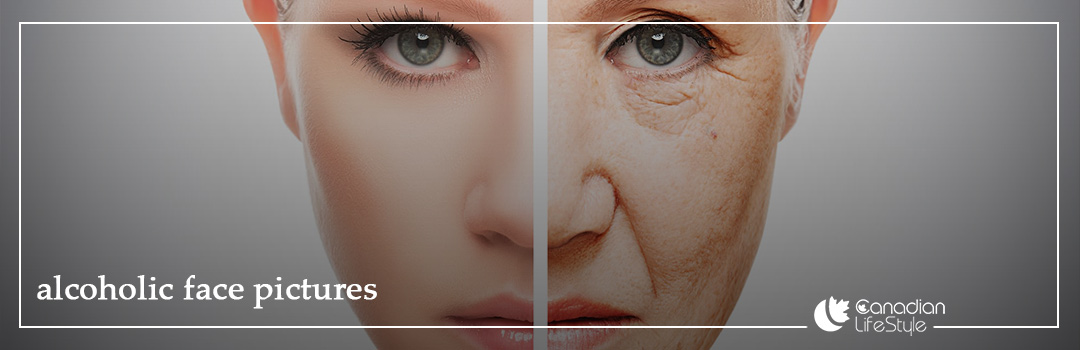
alcoholic face pictures
As evident in images of individuals affected by alcohol, frequent drinking can leave the skin looking pale, aged, and lacking its natural radiance. These photographs capture the real impact of alcohol on the skin, shot in natural lighting and without any retouching, providing an authentic glimpse into how alcohol consumption can accelerate signs of aging, dull the complexion, and reduce overall skin vitality. The visual evidence highlights changes such as redness, puffiness, fine lines, and loss of elasticity, demonstrating that alcohol doesn’t just affect internal health—it has a clear, visible effect on one’s appearance.
Alcoholic skin sores
Alcoholic skin sores are lesions or wounds that can appear more frequently and heal more slowly in individuals with chronic alcohol use. Long-term alcohol consumption impairs the immune system, reduces nutrient absorption, and disrupts liver function, all of which compromise the skin’s ability to repair itself. As a result, in effect of alcohol on the skin, even minor cuts, scratches, or insect bites may develop into persistent sores or ulcers. These lesions can appear anywhere on the body but are often seen on the face, arms, and lower legs, and may become infected more easily due to weakened immune defenses.
negative effects of alcohol on the skin
Negative effects of alcohol on the skin are both immediate and long-term, stemming from dehydration, inflammation, oxidative stress, and nutrient deficiencies. In the short term, alcohol’s diuretic properties draw water from the body, leaving the skin dry, tight, and dull. Blood vessel dilation caused by alcohol can produce redness, flushing, and visible broken capillaries, while sleep disruption and hormonal fluctuations may trigger dark under-eye circles, puffiness, and acne flare-ups. Even occasional drinking can temporarily impair the skin’s natural barrier and repair mechanisms, reducing its ability to retain moisture and defend against environmental stressors.
side effects of alcohol on the skin
What happens to skin with alcohol involves a combination of immediate, short-term effects and long-term structural changes caused by repeated consumption.
- Dehydration and dryness
- Redness and flushing
- Puffiness and dark circles
- Breakouts and clogged pores
- Accelerated aging
- Persistent vascular damage
- Liver-related skin changes
- Nutrient deficiencies impact skin
When does skin get better after quitting alcohol?
When skin gets better after quitting alcohol depends on several factors, including the duration and intensity of alcohol use, overall health, age, and skincare habits.
In the short term, within a few days to a week, hydration improves as the body retains water more effectively, reducing puffiness and dryness. Blood circulation stabilizes, which can lessen facial redness and flushing, and sleep quality improves, helping dark under-eye circles fade. Many people notice a clearer complexion, a more even skin tone, and reduced inflammation within the first two weeks of abstaining from alcohol.
Over the longer term , several weeks to months, the skin undergoes deeper repair and regeneration. Collagen production gradually improves, which enhances elasticity and firmness, reducing the appearance of fine lines and sagging. Broken capillaries may diminish slightly, and acne or other inflammatory skin conditions often improve as hormone balance and immune function normalize. Nutrient absorption also recovers, supporting skin repair and barrier strength.
While some long-term damage or effect of alcohol on the skin, such as deep wrinkles, spider veins, or liver-related pigmentation, may be permanent, consistent abstinence or moderation allows most alcohol-related skin changes to noticeably improve, resulting in a healthier, more radiant complexion over time.
face changes after quitting alcohol
Face changes after quitting alcohol can be both immediate and progressive, reflecting the body’s recovery from dehydration, inflammation, and oxidative stress caused by alcohol.
In the first few days, puffiness often decreases as fluid balance normalizes, and the skin begins to feel more hydrated and less tight. Facial redness and flushing may subside as blood vessels constrict and circulation stabilizes, while dark under-eye circles fade due to improved sleep and reduced cortisol levels. Many people notice a fresher, more even complexion within one to two weeks of abstaining from alcohol.
Over the following weeks to months of Quit alcohol, more significant improvements occur in skin. Collagen production and skin elasticity gradually recover, reducing fine lines and softening early wrinkles. Acne and other inflammatory conditions often improve as hormone levels stabilize and the immune system strengthens. Skin tone becomes more even, and the overall texture appears smoother and firmer.
While long-term heavy drinking on alcohol on the skin can cause permanent changes, such as deep wrinkles, spider veins, or jaundice-related pigmentation, quitting alcohol allows most facial skin issues to improve significantly, resulting in a healthier, rejuvenated, and more vibrant appearance.
Conclusion
The effect of alcohol on the skin is both immediate and cumulative, ranging from temporary redness, puffiness, and breakouts to long-term damage such as wrinkles, broken capillaries, and dull, dehydrated skin. Short-term changes are often reversible with hydration, rest, and proper care, but chronic alcohol use can lead to more permanent structural and vascular damage. Quitting or reducing alcohol allows the skin to gradually recover—improving tone, texture, hydration, and overall radiance—while also supporting long-term health. By understanding these effects, individuals can make informed choices to protect and restore their skin, demonstrating that lifestyle decisions play a crucial role in maintaining a healthy, vibrant complexion. If you drink alcohol and notice changes in your facial skin, we recommend using skin care products to prevent the effects of alcoholic beverages from increasing.