crow’s feet - Treatment & Prevention Of crows feet eyes & smile
Crow's feet are one of the first signs of aging, often appearing around the delicate eye area in your late 20s or early 30s. These fine lines and wrinkles, caused by repeated facial expressions, sun exposure, and natural collagen loss, can become more pronounced over time. But, what exactly causes crow’s feet, and can they be prevented or treated? In this article, we’ll explore everything you need to know about crow's feet, from why they appear and when they typically show up, to whether vitamin C can help, if exercises can reduce their appearance, and how to treat crow’s feet effectively. We’ll also answer whether they’re permanent, how to tighten skin around the eyes, and whether you can get rid of crow’s feet for good. Ready to turn back the clock and smooth out those fine lines? Keep reading to discover the best methods for maintaining a youthful, wrinkle-free eye area.
crow's feet eyes
Crow’s feet eyes refer to the fine lines and wrinkles that appear at the outer corners of the eyes, typically as a result of repeated facial movements such as smiling, squinting, or laughing. These lines are among the earliest visible signs of aging and are primarily caused by a gradual loss of collagen and elastin, which reduces the skin’s elasticity and firmness. The delicate skin around the eyes is particularly prone to dryness and damage, making it more susceptible to fine lines.
Several factors contribute to the formation of crow’s feet, including sun exposure, smoking, dehydration, stress, and genetics. Prevention and treatment strategies focus on protecting the skin, such as applying broad-spectrum sunscreen, using hydrating or skin-conditioning eye creams enriched with hyaluronic acid, peptides, and antioxidants, and minimizing repetitive squinting by wearing sunglasses. For more pronounced crow’s feet, professional treatments like botulinum toxin (Botox), dermal fillers, laser therapy, or microneedling can help reduce their appearance and restore a smoother, youthful look around the eyes.
Using specialized sunscreens can reduce the possibility of getting crow's feet lines
Sunscreen
treatment for crow's feet
Treatment for crow's feet focuses on reducing the appearance of fine lines and wrinkles at the outer corners of the eyes while improving skin elasticity and hydration. Approaches range from topical care to professional procedures, depending on the severity of the lines.
Topical Treatment for crow's feet include
- skin-conditioning eye creams or Hydrating containing hyaluronic acid, peptides, ceramides, or antioxidants to plump the skin, support collagen production, and protect against oxidative damage.
- Retinoids or retinaldehyde to stimulate collagen synthesis and smooth fine lines over time.
- Sunscreen to prevent UV-induced collagen breakdown, which is a major contributor to crow’s feet formation.
Professional Treatment for crow's feet
- Botulinum toxin (Botox) to relax the muscles causing dynamic wrinkles.
- Dermal fillers to restore volume and soften deeper lines.
- Laser resurfacing and chemical peels to improve skin texture and stimulate collagen production.
Microneedling or radiofrequency Treatment for crow's feet to enhance collagen and elastin synthesis.
Lifestyle and preventive measures—such as wearing sunglasses, avoiding smoking, staying hydrated, and maintaining a nutrient-rich diet, also play a key role in reducing the appearance and progression of crow’s feet. Combining consistent skincare with professional interventions can achieve the best long-term results.
crow's feet meaning
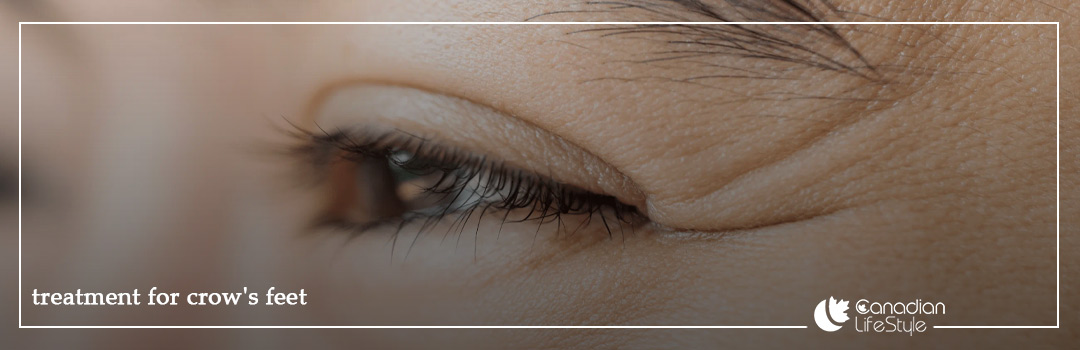
Crow’s feet meaning refers to the fine lines and wrinkles that appear at the outer corners of the eyes, typically caused by repeated facial movements such as smiling, squinting, or laughing. These lines are one of the earliest visible signs of aging, as the skin around the eyes is thin and delicate, making it more prone to losing collagen and elastin, which provide firmness and elasticity.
Crow’s feet can vary in depth and visibility, ranging from subtle lines in the twenties to more pronounced wrinkles in later decades. Factors such as sun exposure, smoking, dehydration, stress, and genetics can accelerate their formation. While they are a natural part of facial expressions and aging, preventive measures and treatments can reduce their appearance and maintain a smoother, youthful look around the eyes.
Why is it called Crow's feet?
The term “crow’s feet” is used because the fine lines and wrinkles that appear at the outer corners of the eyes resemble the footprints or marks of a crow. Just like a bird’s foot leaves small, branching impressions, these lines spread outward from the eyes in a similar pattern.
The name is a visual metaphor, highlighting both the branching, radiating shape of the wrinkles and their tendency to appear with repeated facial expressions such as smiling, squinting, or laughing. While often associated with aging, crow’s feet are also a natural sign of expressive facial movements over time.
Read more: Causes and treatments for bad body odor
what causes crow's feet
What causes crow’s feet is a combination of natural aging, repetitive facial movements, and environmental or lifestyle factors. The primary cause is the gradual loss of collagen and elastin in the delicate skin around the eyes, which reduces elasticity and firmness. Over time, repeated expressions like smiling, squinting, and laughing create dynamic wrinkles that eventually become permanent lines. Habits such as smoking can also accelerate this process, as discussed in The Impact of Smoking on Skin, further damaging collagen and elastin and contributing to both crow’s feet and overall skin and hair health.
Additional contributing factors include:
- Sun exposure (UV radiation): Damages collagen and elastin, accelerating wrinkle formation.
- Smoking: Reduces blood flow to the skin and increases free radical damage.
- Dehydration: Leads to dryness, making fine lines more noticeable.
- Stress and lack of sleep: Can impair skin repair and increase cortisol, which breaks down collagen.
- Genetics: Family history can influence when and how crow’s feet develop.
crows feet when smiling
Crow’s feet when smiling are the fine lines that appear at the outer corners of the eyes due to the repeated movement of the muscles around the eyes, particularly the orbicularis oculi. These lines are often the first visible signs of aging because the skin around the eyes is thin and delicate, making it more prone to loss of collagen and elastin.
Even in younger individuals, crow’s feet can appear temporarily during facial expressions like smiling, squinting, or laughing. Over time, these dynamic wrinkles become permanent as the skin loses elasticity and can no longer fully bounce back after muscle contraction. Preventive strategies include daily sun protection, skin-conditioning eye creams, antioxidants, and wearing sunglasses to minimize repetitive squinting. For more pronounced lines, professional treatments such as Botox, dermal fillers, or laser therapy can help reduce their appearance while maintaining natural facial expressions.
Read more: Effects of alcohol on the skin
what age do crows feet appear
Crow’s feet can start appearing as early as the mid-to-late twenties, often beginning as subtle fine lines around the outer corners of the eyes. At this stage, they are usually dynamic wrinkles, meaning they appear only when smiling, squinting, or making other facial expressions. By the thirties and forties, these lines may become more permanent as the skin gradually loses collagen, elastin, and hydration, reducing its ability to snap back after repeated movements. Factors such as sun exposure, smoking, dehydration, genetics, and stress can accelerate their formation, causing crow’s feet to appear earlier or become deeper.
crows feet in your 20s
Crow’s feet in your 20s refer to the fine lines that can start appearing at the outer corners of the eyes earlier than expected, often caused by a combination of lifestyle factors and natural skin changes. Even in the mid-twenties, the skin begins to lose collagen and elastin slowly, which reduces elasticity and makes it more prone to forming lines with repeated facial movements such as smiling, squinting, or laughing.
Other contributing factors include UV exposure, smoking, dehydration, poor sleep, stress, and environmental pollution, all of which accelerate the formation of crow’s feet. Prevention and early treatment are key at this age. Using hydrating or skin-conditioning eye creams with hyaluronic acid, peptides, or antioxidants, wearing sunglasses, and applying daily broad-spectrum Sun-resistant creams can help protect delicate eye skin. Early intervention can slow the progression of these lines and maintain a smoother, youthful appearance well into later decades.
What is the main cause of crow's feet?
The primary cause of crow’s feet is the natural loss of collagen and elastin in the delicate skin around the eyes, which reduces elasticity and firmness. This process is accelerated by repetitive facial movements such as smiling, squinting, and laughing, which create dynamic wrinkles that gradually become permanent over time.
While aging and muscle movement are the main drivers, other factors can contribute, including sun exposure (UV damage), smoking, dehydration, stress, poor sleep, and genetics.
Can you get rid of crows' feet?
While crow’s feet cannot be completely erased naturally, their appearance can be significantly reduced and softened with the right combination of skincare, preventive measures, and professional treatments. While complete removal may not be possible without invasive procedures, combining preventive care, Best Skin Repair Cream , and professional treatments can substantially reduce the visibility of crow’s feet and maintain a smoother, youthful eye area.
Are crow's feet permanent?
Crow’s feet are not immediately permanent, they typically begin as dynamic wrinkles, appearing only during facial expressions like smiling, squinting, or laughing. At this stage, they are temporary and the skin can fully return to its normal state. Over time, however, repeated muscle movements combined with the natural loss of collagen and elastin, sun exposure, and other environmental factors cause these lines to become permanent, even when the face is at rest. While aging cannot be completely stopped, the appearance of crow’s feet can be minimized or softened through consistent eye creams, antioxidants, and retinoids, preventive measures like sunglasses, and professional treatments such as Botox, dermal fillers, laser therapy, or microneedling. Early intervention is key to delaying their permanence and maintaining smoother, youthful-looking skin around the eyes.
Does vitamin C help crows' feet?
vitamin C can be very effective in reducing the appearance of crow’s feet and supporting overall skin health. As a powerful antioxidant, vitamin C helps neutralize free radicals generated by sun exposure, pollution, and oxidative stress, which are major contributors to collagen breakdown and wrinkle formation. Topical vitamin C also stimulates collagen production, improving skin firmness and elasticity around the delicate eye area. Regular use of vitamin C serums or creams can help brighten the skin, reduce fine lines, and prevent further damage.
crow's feet exercise
Crow’s feet exercise refers to facial exercises that target the muscles around the eyes in an attempt to reduce the appearance of fine lines and wrinkles. While these exercises may not completely eliminate crow’s feet, they can help tone the muscles, improve circulation, and boost skin elasticity, potentially minimizing the lines over time. The effects of exercise on skin have been confirmed by leading experts. Here are a few popular exercises to help with crow’s feet:
- Eye Squeeze: Close your eyes tightly and hold for 5 seconds, then relax. Repeat this exercise 10–15 times. This helps to engage the muscles around the eyes and promote circulation.
- Cheek Lift: Smile widely without showing teeth, and gently lift your cheeks towards your eyes. Hold for 5 seconds and repeat 10 times. This helps tone the muscles that surround the eyes and may reduce the appearance of crow's feet.
- Under-eye Lift: Place your fingers gently under your eyes and lift the skin upward while squinting slightly. Hold for 5 seconds, then relax. Repeat 10 times.
- Temple Press: With your fingers placed at your temples, gently pull the skin backward while squinting the eyes slightly. Hold for 5 seconds and repeat 10 times. This helps to relax the muscles and prevent the formation of deep lines.
While these exercises can aid in strengthening and toning the eye area, they are most effective when combined with hydrating eye creams, sunscreen, and other anti-aging skincare treatments. Regular practice, alongside a healthy skincare routine, can help slow the progression of crow’s feet.
In conclusion,
Crow's feet are a natural part of aging, but with the right preventive care and treatments, their appearance can be minimized and softened. Whether through targeted eye creams, facial exercises, or professional treatments like Botox or fillers, taking proactive steps early can help maintain a smoother, more youthful look around the eyes. Sun protection, hydration, and a healthy lifestyle are also essential in reducing further damage. By incorporating these practices into your skincare routine, you can significantly improve the appearance of crow’s feet and keep your skin looking fresh and resilient for years to come.