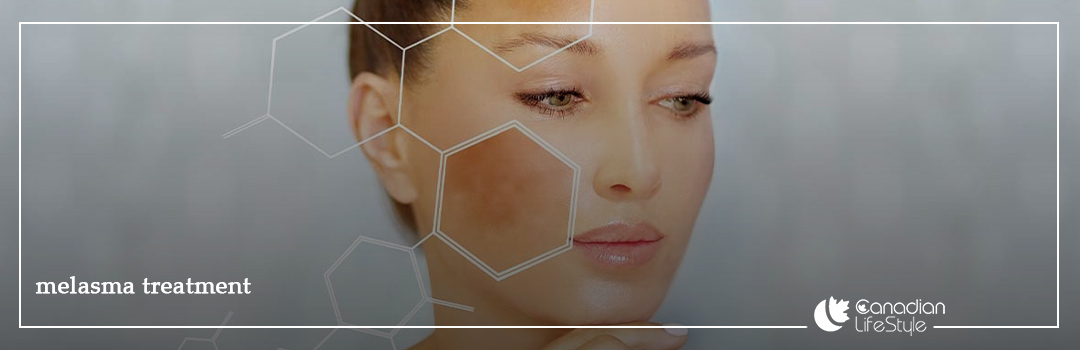
Melasma, often referred to as the "Pregnancy Mask," is a common skin condition where melanocytes (the pigment-producing cells in your skin) generate excess pigment, leading to discoloration. Characterized by typically brown patches, this condition is strongly linked to female hormones. As a result, it affects a high percentage of pregnant women, estimated to be between $50%$ to $70%$.
It is crucial to understand that Melasma poses absolutely no risk to your baby and does not indicate any other pregnancy complication.
What Are the Causes of Melasma?
The primary cause of Melasma is the surge in female hormones, specifically estrogen and progesterone. When these hormones are over-secreted, they stimulate the skin's melanin production, leading to the onset of Melasma or pregnancy spots.
Other significant factors that contribute to the development of these dark patches include:
- Pregnancy Hormones: (The main trigger for Melasma).
- Sun Exposure: UV radiation significantly increases the production of melanin in the skin.
- Oral Contraceptives: Birth control pills can cause hormonal shifts that trigger Melasma.
- Glandular Disorders: Conditions like hypothyroidism (underactive thyroid) increase susceptibility to this condition.
- Family History: If Melasma is present in your family, your likelihood of developing the condition is higher.
- Certain Cosmetics: Irritating beauty products can damage the skin's melanocytes.
- Antiepileptic Drugs: Medications are known to sometimes cause Melasma.
Products Recommended During Pregnancy for Melasma Prevention
Preventing Melasma during pregnancy primarily focuses on minimizing hormonal triggers and maximizing skin protection against external aggressors, chiefly UV radiation and inflammation. Since active depigmenting agents (like high-dose Retinoids or Hydroquinone) are often contraindicated during pregnancy, the preventative strategy relies heavily on gentle cleansing, effective hydration, and, most critically, high-level, broad-spectrum sun defense. Using mild, non-irritating, and $ ext{pH}$-balanced cleansing and moisturizing products helps maintain the integrity of the skin barrier, reducing inflammation which can exacerbate pigment production. The product categories from Canadian Lifestyle below support this preventative approach, which is the first step in any comprehensive Melasma treatment plan.
Sunscreen: The Ultimate Barrier Against Melasma
The single most crucial step in preventing and managing Melasma is rigorous sun protection. UV exposure is the most significant environmental trigger, as it directly stimulates melanocytes (pigment cells) to produce melanin. Products from Canadian Lifestyle with broad-spectrum SPF 50+ defense are essential for any successful Melasma treatment strategy.
|
Product Category
|
Scientific Impact on Melasma Prevention
|
|
Sunscreen Cream/Lotion SPF 50+
|
Melanin Inhibition: High SPF (Sun Protection Factor) blocks UV radiation (UVA and UVB) that directly triggers melanin production. Blue Light & Infrared Protection: Formulas also offer defense against High-Energy Visible Light (Blue Light) and Infrared (IR) radiation, which contribute to hyperpigmentation.
|
The best sunscreen for treating melasma
Sunscreen
Cleansing Solutions (Gels, Foams, & Micellar Water): Reducing Inflammation
During pregnancy, skin can become more sensitive, and harsh cleansing routines can strip the protective barrier, leading to irritation and inflammation. Since inflammation (even microscopic) can signal melanocytes to produce pigment, gentle cleansing is critical. The cleansing solutions from Canadian Lifestyle provide tailored, mild cleansing.
|
Product Category
|
Scientific Impact on Melasma Prevention
|
|
Face Wash Gel/Foam/Micellar Water
|
Barrier Preservation: Gentle, $ ext{pH}$-balanced cleansing maintains the skin's acid mantle, preventing micro-inflammation and irritation that could otherwise trigger melanogenesis (pigment formation). Tailored Cleansing: Formulas for sensitive/dry skin ensure maximum hydration retention, reducing skin stress, while oil control formulas prevent pore clogging without over-drying.
|
Moisturizers: Supporting Skin Barrier Health
Properly hydrated skin has a stronger barrier function, making it less susceptible to external damage and inflammation. Using the Moisturizing Creams, Balms, or Gel-Creams from Canadian Lifestyle helps to reinforce the skin's resilience, which is a supportive element of Melasma treatment.
|
Product Category
|
Scientific Impact on Melasma Prevention
|
|
Moisturizing Cream/Balm/Gel-Cream
|
Barrier Reinforcement: Ingredients like ceramides, hyaluronic acid, and plant extracts reinforce the epidermal barrier. A healthy barrier better withstands environmental stressors, thereby reducing the inflammatory signals that trigger hyperpigmentation. Soothing Action: Specifically for sensitive skin, balms often contain anti-inflammatory ingredients to calm the skin and prevent reactive hyperpigmentation.
|
Exfoliation and Spot Treatments: Caution is Key
During pregnancy, most dermatologists advise against using strong chemical exfoliants and aggressive physical scrubs, as increased sensitivity combined with active ingredients may worsen Melasma or pose theoretical risks.
|
Product Category
|
Scientific Impact on Melasma (Use with Caution)
|
|
Brightening Face Scrub Cream
|
Cellular Turnover: Gentle physical and chemical exfoliants (if pregnancy-safe) can assist in sloughing off melanin-containing dead skin cells, which is beneficial for Melasma treatment. Brightening Actives: Formulas often contain ingredients like Alpha-Arbutin or Licorice Extract, which safely target pigmentation. CAUTION: Pregnant women should only use the gentlest form of exfoliation (e.g., once a week with fine granules) and must confirm ingredient safety with a physician. Products containing strong chemical peels or high-dose actives should be avoided.
|
Symptoms and Location of Pregnancy Mask
The most common symptoms of Melasma are the appearance of light brown, dark brown patches, or freckle-like spots on your skin. Occasionally, these patches may appear red or inflamed. A dermatologist can definitively confirm whether you have Melasma or another type of skin disorder.
Melasma typically appears on six specific areas:
- Cheeks
- Forehead
- Nose
- Chin
- Arms
- Neck: In individuals aged 50 or older, Melasma can sometimes wrap around the entire neck.
read more: What is psoriasis ?
Melasma Treatment Options: Clinical and Topical
If Melasma does not fade naturally within one year after childbirth, you should consult a dermatologist for medical treatments. Your physician may prescribe a brightening cream or cold cream an exfoliating treatment containing certain derivatives. These interventions represent formal Melasma treatment.
|
Treatment Method
|
Description and Key Action
|
|
Q-Switched Laser
|
Uses powerful light waves (typically Nd:YAG or Ruby lasers) to target and break down excess pigment in the skin, helping to eliminate Melasma spots. This is a common clinical Melasma treatment.
|
|
Fractional Laser
|
Fractional $ ext{CO}_2$ lasers and Fractional RF promote the removal of old, dead cells and the production of new skin cells. $ ext{CO}_2$ lasers are particularly effective for darker spots.
|
|
Topical De-pigmenting Agents
|
A topical de-pigmenting drug (such as Hydroquinone) that blocks melanin production, reducing spots. Must be used strictly as directed by a physician to prevent side effects and should never be used during pregnancy.
|
|
Meso-Injection Therapy
|
Anti-spot and brightening compounds (e.g., Hyaluronic Acid, vitamins, antioxidants) are injected into the skin layer, aiding in collagen production and pigment reduction.
|
|
Platelet-Rich Plasma (PRP)
|
Platelet-rich plasma, separated from the patient's own blood, is injected to stimulate new cell growth and treat spots. This is considered a low-risk Melasma treatment procedure.
|
|
Microneedling
|
An affordable method that uses micro-injuries to promote skin repair and exfoliation, helping to eliminate spots.
|
|
Chemical Peels
|
Uses chemical solutions (e.g., Glycolic Acid, Salicylic Acid) to exfoliate the skin, removing excess melanin-producing cells.
|
|
Microdermabrasion
|
A technique to reduce superficial spots through gentle abrasion of the skin's surface, performed by a dermatologist.
|
|
Retinoid Therapy
|
Retinoids stimulate collagen production and promote exfoliation, helping to reduce brown patches. Use must be discontinued two weeks prior to certain laser treatments.
|
|
Azelaic Acid
|
A natural substance with anti-inflammatory and anti-spot properties that helps lighten dark spots and Melasma. Commonly found in creams and serums for Melasma treatment.
|
|
Glutathione
|
A powerful antioxidant used in supplements, creams, and soaps. It reduces melanin production and protects skin cells, lightening skin spots.
|
Topical Treatments: Suggested Ingredients and Oils for Melasma
The best topical products for treating pregnancy spots must contain gentle brightening ingredients and anti-inflammatory properties suitable for sensitive or postpartum skin. This aspect focuses on non-prescription Melasma treatment.
Recommended Topical Ingredients for Melasma
These products often contain a combination of effective ingredients to target discoloration and soothe the skin:
- Azelaic Acid and Vitamin C: Ingredients known for their anti-spot and brightening properties.
- Niacinamide and Arbutin: Compounds that help reduce melanin production and even skin tone.
- Retinoid Derivatives: Mild forms (like retinaldehyde) that offer brightening and anti-inflammatory benefits without high irritation.
- Alpha Arbutin: A gentle agent for gradual spot lightening, often used in hydroquinone-free formulas.
- Antioxidants (e.g., Vitamin C, E): Protect skin cells and inhibit melanin production by reducing oxidative stress.
Best Oils for Melasma Treatment
While natural oils should not be expected to provide the same rapid results as medical treatments, they can contribute to fading Melasma due to their rich vitamin and nutrient content. Oils rich in antioxidants and essential fatty acids, such as Argan Oil, Grape Seed Oil, Jojoba Oil, and Coconut Oil, are suitable options for supportive Melasma treatment.
read more: Crow's feet treatment
Internal Support: Supplements for Melasma
Omega-3 Supplements
While Omega-3 capsules are not directly prescribed for Melasma treatment, they can indirectly help prevent the worsening of skin spots during and after pregnancy. They are generally considered safe during pregnancy and breastfeeding.
|
Aspect of Impact
|
Explanation
|
|
Reduces Skin Inflammation
|
Omega-3 has strong anti-inflammatory properties. Melasma is partly driven by skin inflammation and stress. Reducing inflammation can help prevent Melasma from intensifying.
|
|
Hormone Regulation
|
Hormonal fluctuations are a primary cause of Melasma. Omega-3 fatty acids help regulate hormone function and may play a preventative role.
|
|
Strengthens Skin Barrier
|
Omega-3 maintains skin moisture and strengthens the skin's protective layers, shielding it from environmental damage (e.g., sun exposure, pollution). Healthier skin is less prone to spots.
|
|
Improves Skin Circulation
|
Better blood flow delivers more oxygen and nutrients, aiding skin repair and regeneration, which can gradually lighten spots over time.
|
|
Enhances Treatment Effectiveness
|
Consuming Omega-3 alongside anti-spot creams may improve absorption and the skin's response to the Melasma treatment.
|
Antioxidant Support
Using supplements or topical products rich in antioxidants (such as vitamins C, E, or green tea extract) can be a great complementary treatment element for melasma in a treatment plan. Products containing nano peptides for the skin reduce oxidative stress, inhibit melanin production, and often contain soothing agents (such as aloe vera or chamomile) that help reduce the inflammation and redness that often accompany melasma.
Home Remedies and Traditional Care
Home remedies using natural ingredients can contribute to the gradual fading of dark spots, though they are not as rapid or scientifically proven as medical treatments.
Common traditional home remedies include:
- Fresh Lemon Juice
- Turmeric and Yogurt Mask
- Coconut Oil or Sweet Almond Oil
- Tomato Juice
- Aloe Vera Gel
- Cucumber and Rose Water
Melasma in Traditional Medicine
Traditional medicine often attributes the cause of Melasma to hormonal imbalance, indigestion, and liver or digestive problems. Treatments may involve certain physical therapies (e.g., cupping) and the use of herbal extracts like Chicory ($ ext{Cichorium}$ $ ext{intybus}$) and Willow Catkin ($ ext{Salix}$ $ ext{aegyptiaca}$). It is highly recommended that you consult a physician before attempting any traditional Melasma treatment, as they are not scientifically verified.
Melasma Progression and Recovery Timeline
After childbirth, the high production of melanin gradually stops, and the changes begin to reverse. Typically, Melasma begins to improve within $3$ to $4$ months postpartum.
|
Key Recovery Tip
|
Explanation
|
|
Strict Sun Protection
|
Staying out of direct sunlight prevents spots from darkening and aids the skin's return to its natural colour. This is the foundation of any Melasma treatment.
|
|
Consistent Sunscreen Use
|
Sunscreen must be applied and frequently reapplied, even on cloudy days, to protect the skin from UV radiation.
|
|
Use Appropriate Cosmetics
|
Avoid irritating makeup or skincare products. Use mild creams and cleansers suited to your skin type instead of harsh treatments.
|
When Does Melasma Usually Start During Pregnancy?
Melasma typically begins between the fourth and sixth month of pregnancy. However, it can start at any point. For instance, increased exposure to the sun during pregnancy can accelerate the appearance of the spots.
Key Melasma Questions Answered
Can Pregnancy Melasma Be Prevented?
While Melasma is primarily a hormonal change and complete prevention is difficult, minimizing sun exposure and consistently using sunscreen can help curb its development. Prevention is the most effective form of Melasma treatment.
Does Only Pregnant Women Get Melasma?
No. While pregnant women are most susceptible due to extreme hormonal changes, Melasma can affect others, including older adults, teenagers, and even men, all due to underlying hormonal shifts or other triggers.
Is Melasma Dangerous for the Mother or Fetus?
No. Melasma poses no danger to either the mother or the fetus. It is purely a cosmetic concern, which you can address with a physician's guidance after delivery.
Will Melasma Fade After Childbirth?
Yes. Pregnancy Melasma is triggered by hormonal fluctuations. As hormone levels gradually return to normal after delivery, the spots typically begin to fade progressive