Psoriasis is a chronic autoimmune disease that affects the skin, resulting in red, inflamed patches covered in silvery scales. Understanding the causes, triggers, and treatment options of psoriasis is essential for its effective management. In this article, we will explore the signs and symptoms of psoriasis, including how it can be confused with other skin conditions, as well as the potential complications if left untreated. We will also discuss how it differs from other skin conditions; the role of genetics and environmental factors in its development; and how stress, infections, and other triggers can influence relapses. By addressing these key aspects, we aim to provide a comprehensive guide to understanding and effectively managing psoriasis. Read on to learn more about how to identify, treat, and prevent psoriasis while keeping your skin healthy and comfortable.
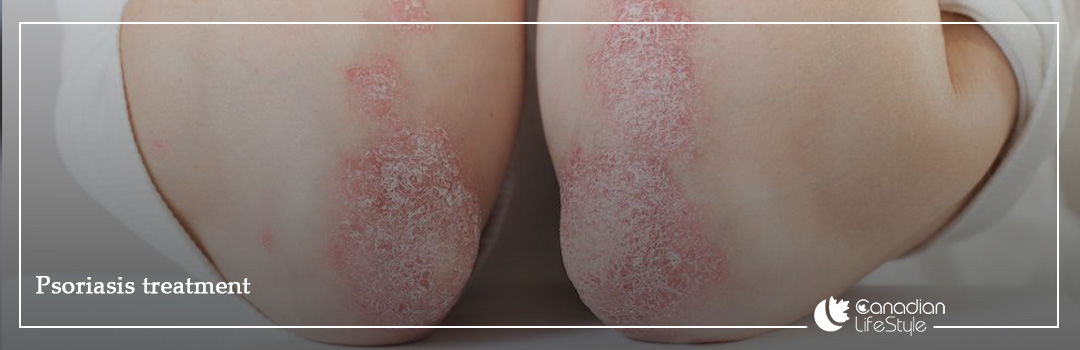
Psoriasis treatment
Psoriasis treatment focuses on reducing inflammation, slowing excessive skin cell turnover, and restoring the skin barrier to manage this chronic autoimmune condition effectively. From a clinical perspective, treatment options range from topical therapies—such as vitamin D analogues, corticosteroids, salicylic acid, and coal tar—to systemic approaches including biologics and immunomodulators for moderate to severe cases. For long-term management, dermatologists increasingly emphasize barrier-repair strategies using emollients rich in ceramides, urea, and humectants to reduce transepidermal water loss and flare frequency. Lifestyle factors also play a critical role; stress reduction, weight management, and avoiding known triggers such as smoking or excessive alcohol can significantly improve outcomes. In the Canadian climate, where cold and dry conditions can exacerbate symptoms, gentle cleansing, and adherence to evidence-based treatment plans are essential for maintaining skin comfort and reducing relapse rates.
What is the best way to treat psoriasis?
The best way to treat psoriasis involves a multifaceted approach that tailors to the severity and type of psoriasis an individual experiences.
- For mild cases, topical treatments are often the first line of defense. These include corticosteroids, which help reduce inflammation and itching, as well as calcipotriene (a synthetic vitamin D analogue) to slow skin cell turnover. Topical retinoids like tazarotene can also be effective in reducing scaling.
- For moderate to severe psoriasis, treatment may involve systemic medications like methotrexate, biologics, or oral immunosuppressants to target the underlying immune system dysfunction that causes the rapid skin cell turnover.
- Phototherapy, which involves controlled exposure to ultraviolet (UV) light, is another effective treatment for many people, particularly those with plaque psoriasis. Regular sessions can reduce inflammation and slow cell production.
Additionally, lifestyle modifications like avoiding triggers (e.g., stress, smoking, alcohol) and using moisturizers containing ceramides, humectants, and occlusive agents to maintain skin hydration can help improve the skin’s barrier and prevent flare-ups. Given Canada’s colder, drier climate, ensuring proper moisture retention through thick emollients and gentle, fragrance-free cleansers is crucial in managing psoriasis symptoms year-round. Finally, regular follow-up with a healthcare provider ensures optimal treatment adjustments and helps manage the long-term chronic nature of the condition.
What moisturizer is good for psoriasis?
A good moisturizer for psoriasis should focus on restoring and protecting the skin barrier, reducing inflammation, and locking in moisture to prevent scaling and cracks. Look for formulations rich in ceramides, which help rebuild the lipid layer of the skin; humectants like glycerin and hyaluronic acid that draw and hold water in the skin; Our moisturizers are specifically formulated to address the unique needs of psoriasis-prone skin. With ingredients that focus on reducing inflammation, and maintaining optimal hydration, our products help not only in treating psoriasis but also in preventing flare-ups. By using our specialized moisturizers, you can soothe irritated skin, reduce scaling, and promote healing, making them an essential part of your psoriasis management routine. For lasting relief and to support the overall health of your skin, our products are the perfect choice to both treat and prevent psoriasis.
How to cure psoriasis permanently
How to cure psoriasis permanently is a common and understandable question, but from a scientific and clinical standpoint, psoriasis currently has no permanent cure. Psoriasis is a chronic autoimmune condition driven by genetic and immune system factors, meaning it can be controlled effectively but not eliminated entirely. The most successful long-term approach focuses on disease management rather than cure, combining medical treatments (such as topical therapies, phototherapy, systemic medications, or biologics) with consistent skin barrier support and lifestyle adjustments. Research shows that reducing immune-triggering factors, like chronic stress, smoking, obesity, infections, and excessive alcohol, can significantly decrease flare frequency and severity. Maintaining a strong skin barrier with emollients rich in ceramides, urea, and humectants helps limit inflammation and scaling, particularly in colder Canadian climates where dryness worsens symptoms. While remission periods can last months or even years with the right plan, ongoing management and medical guidance remain essential to keeping psoriasis under long-term control.
Is psoriasis curable or not?
Psoriasis is treatable and manageable. Psoriasis is a chronic, autoimmune condition where the immune system mistakenly accelerates the production of skin cells, leading to patches of red, inflamed, and scaly skin. While there is no permanent cure for psoriasis, various treatments can help control flare-ups, reduce symptoms, and extend periods of remission.
The most common treatments include topical therapies (like corticosteroids, vitamin D analogues, and retinoids), phototherapy (exposure to UV light), and systemic medications (such as biologics and oral immunosuppressants) that target the immune system. Lifestyle changes, such as reducing triggers like stress, avoiding smoking and excessive alcohol, maintaining a healthy weight, and using Emollient creams to protect the skin barrier, also play a critical role in managing the condition. It is important to know that the Impact of Smoking on Skin and Hair has been proven by experts in this field and is effective in aggravating this disease.
In short, while psoriasis cannot be completely cured, it can be controlled effectively with the right combination of treatments and lifestyle adjustments, leading to significant improvements in quality of life. Regular follow-up with a healthcare provider is important for adjusting treatment plans and keeping flare-ups at bay.
What happens if psoriasis is left untreated?
If psoriasis is left untreated, the condition can worsen over time and lead to several complications. Psoriasis is a chronic autoimmune disorder that accelerates the production of skin cells, causing thick, scaly plaques that can spread across large areas of the body. Without treatment, the inflammation caused by psoriasis can become more severe, leading to:
- Worsening Skin Damage: Untreated psoriasis can cause the plaques to grow larger and become more persistent, leading to more noticeable scarring, skin thickening, and discomfort. This can also affect the appearance of the skin, causing self-esteem issues or emotional distress.
- Increased Risk of Infection: The scales and cracks in the skin may become vulnerable to infections, particularly if they are scratched or irritated. Bacterial infections (like cellulitis) or fungal infections can occur more easily when the skin barrier is compromised.
- Joint Problems (Psoriatic Arthritis): Approximately 30% of people with psoriasis develop psoriatic arthritis, a painful condition that causes joint inflammation, swelling, and stiffness. Left untreated, psoriatic arthritis can lead to permanent joint damage and loss of mobility.
- Cardiovascular Risks: Chronic inflammation associated with psoriasis has been linked to an increased risk of cardiovascular disease, including heart attack, stroke, and high blood pressure. Psoriasis patients are also at higher risk for metabolic syndrome, which includes obesity, high cholesterol, and diabetes.
- Mental Health Effects: Persistent skin flare-ups, especially on visible areas like the face, hands, or scalp, can cause anxiety, depression, and social isolation. The physical appearance of the condition, combined with chronic discomfort, can have a significant impact on emotional wellbeing.
In Canada, where the climate can exacerbate psoriasis symptoms due to dry air and cold weather, Emollient and protecting the skin barrier is crucial, even if the condition is mild. It's important to consult with a dermatologist for an individualized treatment plan to manage symptoms and reduce the risk of complications.
read more: Crow's feet treatment
What are the first signs of psoriasis?
The first signs of psoriasis can vary from person to person, but typically, they include the following:
- Red, Inflamed Skin Patches: The initial signs often include small, raised, red or pink patches of skin that become inflamed and covered with a silvery-white scale. These patches may appear suddenly and are most commonly found on the elbows, knees, scalp, and lower back, but they can develop anywhere on the body.
- Dry, Cracked Skin: The skin affected by psoriasis may become dry and cracked, sometimes bleeding. This is due to the rapid turnover of skin cells, which creates an accumulation of dead skin.
- Itching or Burning Sensation: Affected areas can become itchy, sore, or have a burning sensation. This discomfort is often more pronounced during flare-ups.
- Thickened or Ridged Nails: Psoriasis can also affect the nails, causing them to become pitted, thickened, or discolored. Some people may experience nail separation from the nail bed (onycholysis) as an early sign.
- Scaly Skin Flakes: As the skin cells build up faster than they shed, the scales on the patches can easily flake off. This can sometimes resemble dandruff, especially if the scalp is involved.
- Swollen Joints (Psoriatic Arthritis): In some cases, the first sign of psoriasis can include joint pain or swelling, which could indicate psoriatic arthritis. This can cause stiffness, discomfort, and even reduced mobility in affected joints.
If you notice these early signs, it's important to see a healthcare professional, preferably a dermatologist, for a proper diagnosis. Early intervention and treatment can help manage symptoms, prevent flare-ups, and improve the quality of life.
Psoriasis vs eczema
While both psoriasis and eczema are common skin conditions that cause inflammation, itching, and irritation, they have distinct characteristics and causes. Psoriasis is an autoimmune disease where the immune system mistakenly attacks healthy skin cells, causing skin cells to multiply rapidly. This leads to thick, red patches covered with silvery scales.
but Eczema is often linked to a combination of genetic and environmental factors, including a weakened skin barrier and an overactive immune response. It tends to run in families, especially those with a history of allergies or asthma.
Psoriasis and eczema Key Differences:
- Appearance: Psoriasis typically results in well-defined, scaly plaques, while eczema leads to more diffuse, itchy patches of inflamed skin.
-
- Age of Onset: Psoriasis can develop at any age, but it often starts in early adulthood or adolescence. Eczema, on the other hand, commonly starts in infancy or early childhood.
-
- Location: Psoriasis usually affects the elbows, knees, and scalp, whereas eczema commonly affects the face, neck, and the inside of elbows or knees.
-
- Itching: Both conditions can be itchy, but eczema tends to cause more intense itching, which can lead to skin damage from scratching.
Although psoriasis and eczema share some similarities in symptoms like redness and inflammation, their underlying causes and treatment approaches are quite different. It's important to consult with a healthcare provider or dermatologist for a correct diagnosis and appropriate treatment, as the treatments for these two conditions can vary significantly.
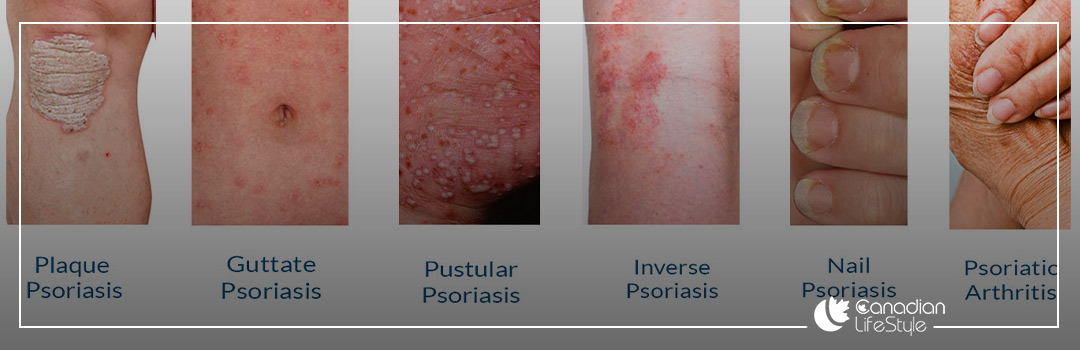
psoriasis photos
Psoriasis photos serve as a visual guide to help identify the different types and severity of psoriasis on the skin and scalp. Photographs of psoriasis are useful for educational, diagnostic, and awareness purposes, allowing patients and clinicians to distinguish psoriasis from other skin conditions like eczema, fungal infections, or dermatitis. High-quality images often highlight the texture, colour, and distribution of plaques or scales, which can help track disease progression and response to treatment. While photos are a helpful reference, a professional dermatological assessment is essential for accurate diagnosis and personalized treatment, as psoriasis can vary significantly in appearance between individuals and body areas.
Psoriasis scalp
Psoriasis scalp is a common and often frustrating form of psoriasis that affects the skin on the scalp, leading to the rapid accumulation of skin cells, which causes thick, silvery scales. These scales, which are a hallmark of psoriasis, can be quite noticeable and may cause discomfort, itching, and a burning sensation. In some cases, the condition extends beyond the hairline, affecting areas like the forehead, ears, and neck.
Scalp psoriasis can range from mild dandruff-like flaking to large, inflamed patches, and when left untreated, it can lead to temporary hair loss due to constant scratching or irritation. The exact cause of scalp psoriasis is related to the immune system mistakenly attacking healthy skin cells, speeding up their production. Common triggers include stress, infections, dry air, and harsh hair products, with cold and dry Canadian climates often exacerbating symptoms.
Treatment for scalp psoriasis typically includes topical corticosteroids to reduce inflammation, coal tar preparations to slow skin cell turnover, and vitamin D analogues like calcipotriene. Medicated shampoos containing salicylic acid, coal tar, or ketoconazole can also be effective in managing the condition. In severe cases, phototherapy (UVB light therapy) or biologic medications that target immune system pathways may be necessary. Managing scalp psoriasis also involves lifestyle changes, such as stress reduction, gentle hair care, and regular Emollient to maintain a healthy scalp barrier. For those in colder climates, it is crucial to keep the scalp moisturized to prevent further irritation and flare-ups.
Psoriasis in hair
Psoriasis in hair refers to the development of psoriasis lesions on the scalp, which can extend into the hairline and sometimes affect the hair itself. This condition causes red, inflamed patches covered with silver-white scales, which are often thick and stubborn. The patches are a result of an overactive immune response, leading to an accelerated turnover of skin cells on the scalp. In severe cases, these plaques can become painful, and the itching can lead to excessive scratching, which may cause hair loss or damage. Scalp psoriasis can range from mild dandruff-like flaking to severe plaque psoriasis that may be visible around the hairline or behind the ears.
The main challenge of treating psoriasis in hair is the difficulty of applying treatments directly to the affected area due to the presence of hair. However, effective treatment options include topical corticosteroids, vitamin D analogues like calcipotriene, and coal tar shampoos, which help reduce scaling and inflammation. Regular use of medicated shampoos containing salicylic acid or ketoconazole can help manage symptoms and reduce buildup. In cases where scalp psoriasis is resistant to topical treatments, phototherapy or systemic treatments like biologics may be recommended. It's important to maintain a gentle hair care routine, avoid harsh chemicals or dyes, and keep the scalp moisturized to prevent further irritation and flare-ups. Regular follow-up with a dermatologist can help ensure the most effective treatment plan.
is psoriasis dangerous
Is psoriasis dangerous? While psoriasis is not contagious and is primarily a skin condition, it can have significant health implications beyond the skin, making it potentially serious if left unmanaged. Psoriasis is a chronic autoimmune disorder that accelerates skin cell turnover and causes inflammation, but the systemic inflammation associated with moderate to severe psoriasis can increase the risk of other health conditions.
These include psoriatic arthritis, which affects about 30% of people with psoriasis and can lead to joint pain, stiffness, and permanent damage if untreated. Psoriasis is also linked to an increased risk of cardiovascular disease, metabolic syndrome, diabetes, and obesity, as chronic inflammation can affect multiple organ systems. Additionally, the visible nature of the skin lesions can contribute to psychological effects, including anxiety, depression, and social isolation. While psoriasis itself is not life-threatening, early diagnosis, consistent treatment, and lifestyle management are essential to prevent complications and maintain overall health.
is psoriasis contagious
No, psoriasis is not contagious. It is a chronic autoimmune condition caused by an overactive immune system that triggers the rapid production of skin cells. Unlike conditions such as fungal infections or bacterial rashes, psoriasis cannot be spread through physical contact, touching skin, or sharing personal items like towels or combs. It is important to note that psoriasis is influenced by a combination of genetic factors and environmental triggers, such as stress, infections, or skin injury. Therefore, even though psoriasis may look similar to other skin conditions that are contagious, such as ringworm or impetigo, it is completely non-infectious and cannot be passed from one person to another.
What is psoriasis caused by?
Psoriasis is caused by an overactive immune system that mistakenly attacks healthy skin cells. The immune system triggers inflammation, which leads to the rapid turnover of skin cells. Normally, skin cells grow deep in the skin and move to the surface over the course of about a month, but in psoriasis, this process is accelerated. Skin cells are produced in excess and rise to the surface in just a few days, forming thick, scaly patches or plaques that are characteristic of the condition.
The exact cause of psoriasis is not fully understood, but it is believed to be a combination of genetic predisposition and environmental triggers. In individuals with a genetic predisposition to psoriasis, factors such as stress, infections (particularly streptococcal throat infections), skin injury (cuts, sunburns), certain medications, and weather conditions (cold, dry air) can trigger or worsen flare-ups. Inflammation and immune system dysregulation are central to the development of psoriasis, and research continues to explore the specific genetic mutations and immune pathways involved in the disease.
What is the biggest trigger for psoriasis?
The exact cause of psoriasis is not fully understood, but it is believed to be a combination of genetic predisposition and environmental triggers. In individuals with a genetic predisposition to psoriasis, factors such as :
- stress
- infections (particularly streptococcal throat infections)
- skin injury (cuts, sunburns)
- certain medications, and weather conditions (cold, dry air)
can trigger or worsen flare-ups. Inflammation and immune system dysregulation are central to the development of psoriasis, and research continues to explore the specific genetic mutations and immune pathways involved in the disease.
Who usually gets psoriasis?
Psoriasis can affect anyone, but it tends to occur more frequently in certain populations based on genetic, environmental, and lifestyle factors. Here’s a closer look at who is more likely to develop psoriasis:
- Genetics: Psoriasis has a strong genetic component, meaning it tends to run in families. If a person has a family history of psoriasis, they are at a higher risk of developing the condition. First-degree relatives (parents or siblings) of someone with psoriasis are more likely to develop it as well. Certain genetic markers, especially those related to the immune system, increase the likelihood of developing psoriasis.
- Age: Psoriasis can develop at any age, but it most commonly appears in two age groups:
- Early onset psoriasis typically begins between the ages of 15 and 35. This form of psoriasis tends to be more severe and persistent.
- Late-onset psoriasis can develop after the age of 60, but it may be less severe and can be more difficult to diagnose since it can overlap with other skin conditions common in older adults.
- Gender: Psoriasis affects both men and women equally, although the type of psoriasis and the severity may vary slightly between genders. Women may be more prone to developing psoriasis during pregnancy or menopause due to hormonal changes, while men are more likely to develop early-onset psoriasis.
- Ethnicity: Psoriasis can affect individuals of all ethnic backgrounds, but it appears more prevalent in Caucasians. African Americans and Asians tend to experience psoriasis in a less severe form, but they may face challenges with diagnosis due to differences in skin type and presentation.
- Lifestyle Factors: People who are smokers or those who consume excessive alcohol are at a higher risk of developing psoriasis, particularly more severe forms of the condition. Obesity is another important risk factor, as it can contribute to inflammation and worsen symptoms.
- Immune System Issues: Psoriasis is an autoimmune disorder, so individuals with other autoimmune diseases, such as rheumatoid arthritis, Crohn's disease, or lupus, are at an increased risk of developing psoriasis.
- Environmental Factors: Exposure to cold, dry climates, stress, infections (especially throat infections), or skin injuries can increase the likelihood of developing psoriasis or triggering flare-ups in those already predisposed.
In summary, while anyone can get psoriasis, those with a family history, certain genetic predispositions, and specific lifestyle or environmental triggers are at a higher risk of developing the condition. Early diagnosis and intervention are crucial to managing symptoms and reducing the impact of the disease on overall health and quality of life.
What can be mistaken for psoriasis?
What can be mistaken for psoriasis are several skin conditions that share similar symptoms, such as redness, scaling, and inflammation. Because psoriasis can vary in appearance depending on its type and location, misdiagnosis is common, making it important to distinguish it from other dermatological conditions. Eczema, Seborrheic ,Dermatitis, Fungal Infections, Lichen Planus, Pityriasis Rosea, Contact Dermatitis can be mistaken for psoriasis
Accurate diagnosis often requires a dermatologist’s evaluation, sometimes including a skin biopsy, to differentiate psoriasis from these conditions. Early and precise identification ensures the most effective treatment plan and prevents unnecessary treatments that may aggravate the skin.
In conclusion, psoriasis is a complex, chronic skin condition that requires a comprehensive approach for effective management. By understanding its causes, triggers, and early signs, and by using specialized treatments and moisturizers, individuals can reduce flare-ups, soothe inflammation, and maintain healthier skin. While psoriasis cannot be completely cured, proper care, including lifestyle adjustments, stress management, and consistent use of targeted skincare, can significantly improve quality of life. Incorporating our specialized products into your routine ensures that your skin receives the hydration and protection it needs, helping to both treat existing symptoms and prevent future flare-ups effectively.