Panthenol is widely used in skin and hair care products thanks to its soothing, restorative, and anti-inflammatory qualities, making it a top choice in many professional formulations. But what exactly is this ingredient, and how does it support healthier skin and hair? In this article, we take a closer look at what panthenol is, how it works, and why it plays such a key role in maintaining both beauty and overall skin and hair health. Join us for a clear and science-based overview of this impressive ingredient.
What Is Panthenol?
Panthenol, also known scientifically as DL-Panthenol, is the stable alcohol form of vitamin B5 (pantothenic acid) and is widely used in the cosmetic and skin care industry. Once applied, it’s easily absorbed by the skin and converted into vitamin B5 within the cells, helping strengthen the skin’s natural barrier, boost moisture retention, and calm irritation. Thanks to its small molecular structure and natural humectant properties, panthenol draws water from the environment and locks it into the epidermis, effectively preventing dryness, roughness, and flaking, making it a go-to in routines designed for dry skin. Its anti-inflammatory benefits also help soothe irritation, sunburn, redness, and even dermatitis, which is why it’s frequently found in repairing creams, post-laser products, and burn ointments. It plays a vital role in supporting hair health by penetrating the hair fibre to enhance softness, shine, and resilience against heat and mechanical damage.
What Is D-Panthenol?
D-Panthenol, also known as pantothenic acid, is the active form of vitamin B5 and plays a crucial role in the repair, regeneration, and maintenance of healthy skin, hair, and nails. This compound exists in two forms: D and L, with the D form being the more commonly used one. Beyond its ability to enhance the skin’s ability to absorb and retain moisture, D-Panthenol is recognized as an effective anti-inflammatory agent in formulations. It helps reduce redness, irritation, and inflammation caused by environmental factors, burns, or exfoliation, offering immediate relief for sensitive and damaged skin. Additionally, D-Panthenol acts as a natural skin-repairing agent by stimulating fibroblast production and promoting collagen synthesis, accelerating cellular regeneration and aiding in the healing of wounds, cracks, and surface damage.
In addition to its moisturizing and restorative properties, D-Panthenol plays a role in improving skin elasticity, giving it a smoother, fresher, and more youthful appearance. This makes it a valuable ingredient in skin protection products. Its hypoallergenic nature also makes it safe for use on children’s skin. When it comes to hair care, D-Panthenol penetrates the hair shaft, increasing moisture, shine, and strength, while also helping to prevent split ends and breakage. Physically, D-Panthenol is a colorless, viscous substance that dissolves easily in water, making it easy to incorporate into various creams, lotions, gels, shampoos, and serums, and it has excellent stability in cosmetic formulations.
What Is Panthenol Gel?
Panthenol gel, thanks to its gel format, spreads easily across the skin’s surface and quickly penetrates into the deeper layers, creating a moist, soft layer. Its lightweight, non-greasy texture ensures that it doesn't feel heavy on the skin, making it an ideal choice for those with oily or acne-prone skin, as it works similarly to an acne treatment. This gel not only aids in moisture retention but also accelerates cell regeneration, promoting the healing of wounds and skin damage. It plays a key role in post-beauty treatment recovery, such as after laser sessions or skin surgeries, offering quick relief and supporting faster healing for those seeking a more efficient recovery process.
Panthenol Cream
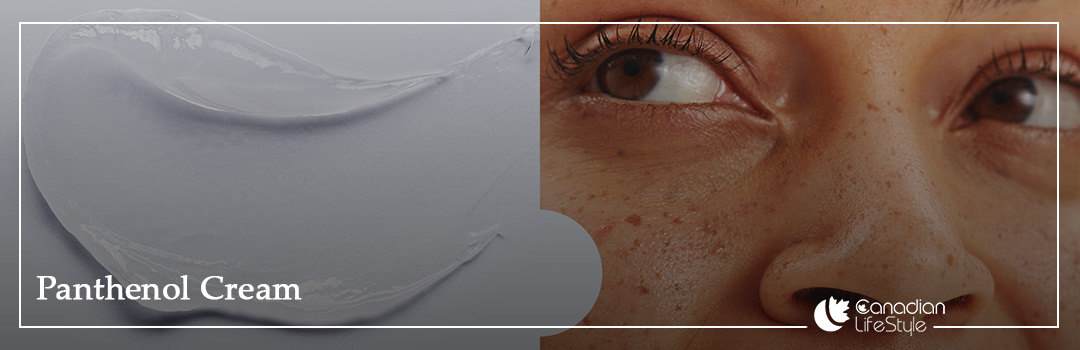
Panthenol cream, with its higher concentration and thicker, more emollient texture compared to other forms, is ideal for targeted use on dry, irritated, or damaged areas of the skin. This formulation creates a protective layer on the skin’s surface, preventing moisture evaporation and speeding up the healing process of the epidermis. For this reason, it’s often found in the best skin repair creams. Panthenol cream is highly recommended for conditions like dermatitis, chronic dryness, and superficial burns, providing effective relief and promoting skin recovery.
Panthenol Serum
Panthenol serum is designed as a lightweight, fast-absorbing solution that allows the active ingredient to penetrate deeply into the skin layers. This form is primarily used in preventative or beauty-focused skin routines to boost cellular hydration, improve skin firmness, and reduce the signs of premature aging. Due to its more diluted molecular structure, serums are ideal for incorporation into multi-step routines, delivering targeted benefits while maintaining a smooth, non-greasy feel.
Panthenol for Hair
Panthenol for Hair plays a vital role in enhancing the function of cells crucial for growth and nourishment, such as dermal papilla cells and the outer root sheath cells. It also stimulates the production of vascular endothelial growth factor (VEGF) within hair follicles. This growth factor helps increase blood circulation to the scalp, supporting hair growth and maintaining the health of hair cells. For this reason, panthenol can be an excellent option for individuals dealing with thinning hair or hair loss, helping to strengthen and promote the overall vitality of the hair. This ingredient is used in hair and scalp products for the following reasons.
Benefits of Panthenol for Hair
Benefits of Panthenol for hair include deep hydration and strengthening, which result in softer, smoother strands and reduced frizz. By improving moisture retention and enhancing the overall structure of the hair, panthenol helps maintain healthy, shiny hair, making it an essential ingredient in products designed to improve texture and manage unruly hair.
- Hair Strengthening: Panthenol is a powerful strengthening agent that penetrates deeply into each hair strand, sealing the cuticles to prevent splitting and split ends. By strengthening each hair from the inside out, panthenol helps prevent hair breakage, promoting overall hair health.
- Moisturizing Action: Panthenol also acts as a humectant, meaning it creates a barrier on the surface of each hair strand to lock in moisture. This compound draws moisture from hair products and the environment, retaining it within the hair for long-lasting hydration.
- Instant Hair Smoothing: Because panthenol retains moisture, it’s ideal for smoothing hair. This essential ingredient locks in hydration, smoothing out any roughness along the hair shaft and leaving the hair with a sleek, shiny appearance. It is used to treat frizzy hair and prevent it from becoming dry and frizzy.
How to Use Panthenol for Hair
Panthenol is available in a variety of specialty products, and some people even enjoy incorporating it into home remedies. An easy way to incorporate panthenol into your hair routine is to use a hair mask or treatment enriched with panthenol. No matter which method you choose, the result is the same: softer, shinier, and healthier hair.
Panthenol for Skin
Panthenol works wonders for the skin by penetrating the superficial layers and converting into pantothenic acid, which plays a role in the production of coenzyme A and cellular metabolism. By accelerating cell regeneration, strengthening the skin barrier, and reducing inflammation, it significantly improves skin health. As a powerful humectant, panthenol reduces water loss from the skin's surface (TEWL), helping to retain moisture and keep the skin soft. Additionally, its anti-inflammatory properties help reduce the activity of inflammatory factors, making it an ideal ingredient for soothing irritated skin. Panthenol is widely used in clinical treatments such as post-laser skin repair, microneedling, and for conditions like severe dryness or sensitive skin. Its high safety profile makes it suitable for all skin types, including sensitive or acne-prone skin.
Panthenol, with its moisturizing, soothing, and restorative properties, is effective not only for caring for sensitive and damaged skin but also for enhancing the softness, shine, and strength of hair. Clinical research and multiple studies have shown that topical application of D-Panthenol can reduce skin dryness by up to 84% and accelerate wound healing by up to twice the normal rate, highlighting its high efficacy in daily skin routines.