Fatty filaments are a common yet often misunderstood feature of the skin, especially in areas prone to oiliness such as the T-zone. Unlike blackheads, these fine, thread-like structures are part of the skin’s natural mechanism for transporting sebum from sebaceous glands to the surface, and their presence does not necessarily indicate acne or poor hygiene. Understanding the cause of fat filament formation, the difference between sebaceous filaments and blackheads, and the methods to treat and prevent them is crucial for anyone aiming to maintain clear, healthy skin.
This article explores the science behind fat filaments, including why squeezing them can cause irritation, and provides professional, evidence-based strategies for minimizing their visibility. By examining both topical treatments and lifestyle adjustments, we will guide you on how to support sebaceous gland health while keeping pores clean and balanced. Whether you struggle with oily skin, large pores, or recurring filaments, reading through this guide will equip you with practical, dermatologically sound solutions to manage and prevent fatty filaments effectively.
What is a skin filament?
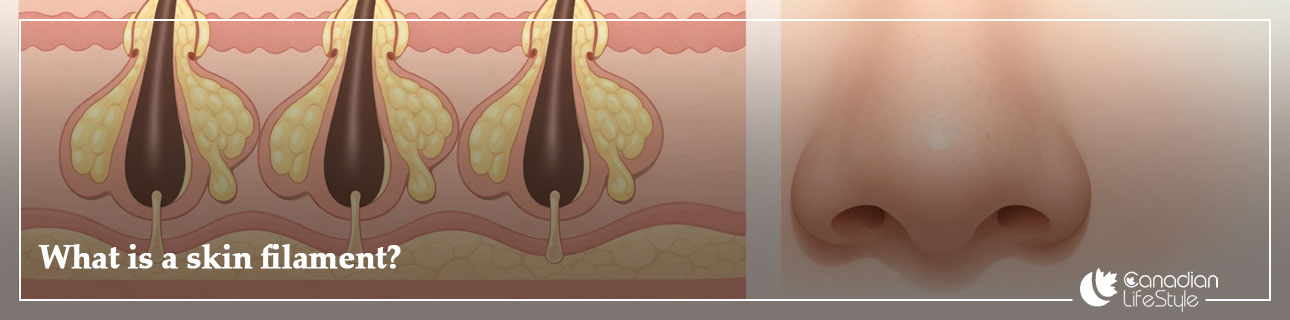
Skin filament is a term used to describe tiny, naturally occurring structures within the pores of the skin, primarily composed of sebum, dead skin cells, and sometimes keratin. Unlike traditional blackheads or comedones, these filaments are often less noticeable but play a crucial role in maintaining the skin’s protective barrier by facilitating the flow of oils to the surface. They are most commonly found on the nose, chin, and forehead, where sebaceous glands are particularly active, and are considered a normal physiological occurrence rather than a sign of poor hygiene or acne.
Skin filaments are closely related to the skin’s lipid regulation and microflora balance, and their presence can indicate the natural functioning of sebaceous glands. While they may appear as fine, hair-like threads in the pores, they differ from other pore blockages in that they do not form inflammatory lesions. Effective skin care that targets oil control and the use of moisturizers and hydrators can help manage their appearance without disrupting the skin's protective layer. This makes understanding skin strands important for both skin assessment and daily facial care.
The cause of fat filament formation
The cause of fat filament formation is primarily linked to the overproduction of sebum by sebaceous glands, which interacts with keratinocytes on the skin surface to form visible, thread-like structures. These filaments, often concentrated around the T-zone, are composed of lipid-rich material that can trap environmental pollutants and cellular debris, contributing to their prominence. Scientific studies indicate that hormonal fluctuations, particularly increases in androgens, can stimulate sebaceous activity, while dietary factors and certain skin-care products may exacerbate filament development. Understanding these underlying mechanisms is crucial for dermatologists aiming to manage skin texture and reduce excess sebum accumulation.
The difference between a sebaceous filament and a blackhead
The difference between a sebaceous filament and a blackhead lies in both their composition and formation processes, making them distinct dermatological features. Sebaceous filaments are naturally occurring, fine, tube-like structures composed of sebum, dead skin cells, and minimal bacterial content, primarily serving to channel oil from sebaceous glands to the skin surface. In contrast, blackheads, or open comedones, form when pores become clogged with a denser mixture of sebum, keratin, and oxidized melanin, giving them their characteristic dark appearance. While sebaceous filaments are normal and functional, blackheads are a type of acne lesion and indicate localized follicular blockage that may trigger inflammation if left untreated. Recognizing this difference is essential for tailoring skincare regimens and preventing unnecessary extraction or harsh treatments. A related entity to consider is comedonal acne, which shares similar pore-clogging mechanisms but involves more significant inflammatory responses.
Methods of treating skin fat filaments
Methods of treating skin fat filaments focus on regulating sebum production, maintaining pore hygiene, and supporting the skin’s natural barrier without causing irritation or over-drying. Topical treatments containing salicylic acid or beta-hydroxy acids (BHAs) are particularly effective because they penetrate pores, gently dissolving excess sebum and cellular debris, thereby reducing filament visibility. Regular but gentle exfoliation combined with oil-free moisturizers, helps maintain pore function while preventing rebound oiliness.
Additionally, professional procedures such as microdermabrasion or chemical peels can temporarily reduce filament prominence by removing superficial lipid buildup and dead skin layers. Consistency and moderation are key, as over-aggressive extraction can damage follicles and trigger increased sebum production. A related entity to explore is non-comedogenic skincare, which supports reducing pore congestion without exacerbating oily filament formation.
- Overproduction of sebum by sebaceous glands.
- Interaction of sebum with keratinocytes forming visible thread-like structures.
- Concentration often around the T-zone.
- Traps environmental pollutants and cellular debris.
- Influenced by hormonal fluctuations, especially androgens.
- Dietary factors and certain skincare products may worsen formation.
What happens if you squeeze a fat filament?
What happens if you squeeze a fat filament can seem harmless, but it often leads to unintended skin issues rather than clearing pores effectively. When pressure is applied, the filament’s sebum and keratinous material may be partially expelled, but the surrounding pore walls can be irritated or damaged. This can trigger temporary inflammation, micro-tears, or even minor bacterial infection, causing redness and swelling and disrupt the skin cycle .
Unlike blackheads, fat filaments are part of the skin’s natural oil delivery system, so extraction does not prevent their recurrence. Dermatologists typically advise gentle cleansing and chemical exfoliation rather than manual squeezing to maintain healthy skin barrier function and reduce the risk of irritation.
Methods to prevent the formation of fat filaments
Methods to prevent the formation of fat filaments focus on maintaining balanced sebum production, supporting pore health, and reducing factors that exacerbate oil accumulation. Regular gentle cleansing with mild, non-comedogenic products helps remove excess sebum and environmental debris without stripping the skin’s natural oils. Incorporating chemical exfoliants like salicylic acid or glycolic acid promotes natural turnover of dead skin cells, keeping pores clear and minimizing filament buildup. Lifestyle factors, such as a balanced diet low in processed sugars and dairy, adequate hydration, and stress management, also play a significant role in regulating sebaceous activity. Additionally, avoiding heavy or pore-clogging skincare and makeup ensures that sebaceous filaments remain functional rather than becoming prominent or inflamed. A related entity to highlight is sebaceous gland regulation, which underpins effective prevention strategies.
How to Reduce the Appearance of Skin Filaments
How to Reduce the Appearance of Skin Filaments Safely Reducing the appearance of skin filaments safely involves a combination of gentle exfoliation, targeted oil control, and pore-friendly skincare practices. Regular use of chemical exfoliants, such as salicylic acid or lactic acid, helps to dissolve excess sebum and dead skin cells lodged in the pores without causing microtears. Additionally, incorporating lightweight, non-comedogenic moisturizers can maintain the skin’s hydration, preventing the sebaceous glands from overproducing oil that accentuates filaments. Overly aggressive scrubbing or harsh masks should be avoided, as these can trigger inflammation and worsen the visibility of pores.
Professional treatments like mild chemical peels, microdermabrasion, or laser therapies can also improve the appearance of skin filaments by promoting skin cell turnover and refining pore texture. Consistency with a balanced routine—including gentle cleansing twice daily, topical retinoids if recommended by a dermatologist, and sun protection—is key to managing these naturally occurring structures over time. Adopting this approach maintains the skin’s barrier while minimizing the aesthetic prominence of filaments, making it a safe and scientifically supported strategy for long-term pore care.
When to See a Dermatologist About Persistent Facial Fat Filaments ?
Seeing a dermatologist about persistent facial fat filaments becomes important when these tiny pore structures remain prominent despite a consistent skincare routine or if they are accompanied by irritation, inflammation, or other skin concerns. While facial fat filaments are a natural occurrence and generally harmless, their visibility can sometimes signal overactive sebaceous glands, clogged pores, or underlying skin conditions such as mild acne or seborrheic dermatitis. Consulting a professional allows for accurate assessment and the development of a personalized treatment plan that targets both the filaments and the overall health of the skin.
Dermatologists may recommend treatments including prescription-strength retinoids, targeted chemical peels, or professional extraction techniques that safely reduce the appearance of fat filaments while preserving the skin’s barrier. They can also provide guidance on adjusting topical products, exfoliation schedules, and hydration routines to prevent recurrence, particularly in climates like Canada’s, where seasonal dryness or humidity fluctuations can exacerbate pore visibility. Seeking professional advice ensures that management is both safe and effective, avoiding common mistakes like over-scrubbing or the use of harsh astringents that can worsen skin texture.
Fat filaments are a natural part of the skin’s oil delivery system, serving to transport sebum from sebaceous glands to the surface. While they are often mistaken for blackheads, their composition and function are fundamentally different, making them a normal skin feature rather than a sign of acne. Proper management focuses on gentle cleansing, targeted chemical exfoliation, and supportive skincare routines to minimize their visibility without damaging pores. Aggressive squeezing or harsh treatments can lead to irritation, inflammation, or increased sebum production, so prevention through consistent skincare and healthy lifestyle habits remains the most effective approach. Understanding the science behind fat filaments empowers individuals to maintain smooth, balanced skin while respecting its natural physiology.